
An Update from PrimePrevention
Extreme events such as algal blooms, oxygen deficiency and dangerous bacteria in the sea are on the rise – with far-reaching consequences for health, the environment and the economy. The mareXtreme joint project PrimePrevention develops methods and technologies for society to identify risks at an early stage and reduce their socio-economic impact.
A central, cross-project topic within mareXtreme is the development of intelligent observation systems for the sea, which make it possible to warn at an early stage of imminent (biological) dangers. New sensors, automated sampling and modern laboratory methods make it possible to detect toxic algae, cyanobacteria and vibrios faster and more reliably than before. These technologies have been successfully tested not only in the laboratory, but also directly on research vessels and fishing boats. In this way, the sea can be monitored more comprehensively and cost-effectively in the future.
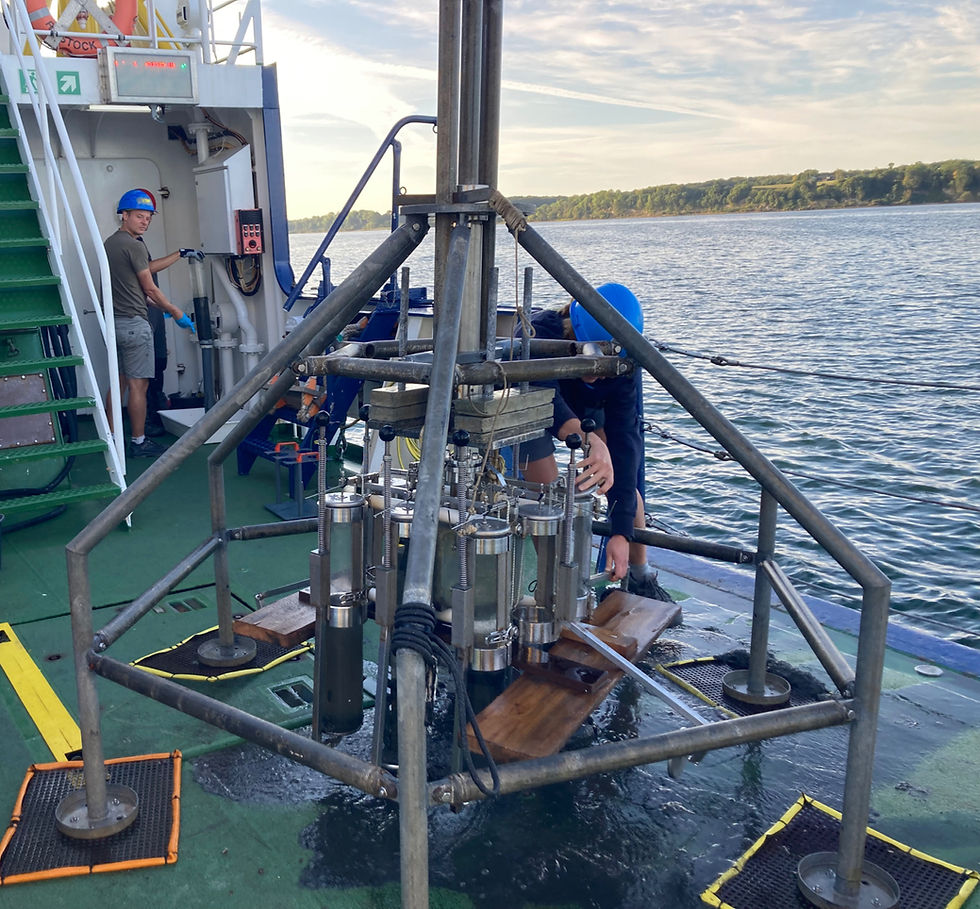
Particular attention is paid to the findings from the three PrimePrevention living labs Schlei, Greifswalder Bodden and Kiel Bay. For example, studies in the Bay of Kiel show that the occurrence of oxygen-poor and hydrogen sulfide-enriched soil water is increasing much more strongly than previously assumed. With the help of modern computer models, it is now easier to predict when and where such "dead zones" will occur – an important step for the protection of fish, mussels and other marine life.
Another special feature of PrimePrevention is the close cooperation with authorities, fisheries, tourism and civil society. In joint workshops, it was worked out what information is really needed in an emergency and how warnings can be communicated in an understandable way.
PrimePrevention makes it clear that with networked research, new technologies and dialogue with society, risks in the Baltic Sea can be better understood – and more effectively limited in the future.


Comments