
Ad-hoc field investigations of oxygen deficiency in the tidal Elbe
Over the past two weeks, ElbeXtreme scientists have started an ad-hoc measurement campaign with the help of the Hamburg Port Authority (HPA) and under the leadership of the Federal Maritime and Hydrographic Agency (BSH) to investigate the current oxygen deficiency in the tidal Elbe.
Identification of oxygen deficiency
Kaveh Purkiani, a scientist at the BSH, informed the ElbeXtreme consortium on 3 July 2025 that the oxygen concentration data at the Bunthaus station had shown an oxygen deficiency event since 22 June 2025. The critical threshold for identifying the extreme event of oxygen deficiency is defined as the 10th percentile of the long-term climatology (1998-2024) oxygen concentration at the Bunthaus station. The dissolved oxygen content in the tidal Elbe at the Bunthaus station fell to <2 mg/L on 6 July - a clear sign of severe oxygen deficiency and ecological stress in the estuary.
The data is provided by the Institute for Hygiene and Environment.

Collection of in-situ water samples and planned analysis
Hereon carried out an initial measurement campaign with the Tümmler on 18 July 2025 together with AWI colleagues to investigate the effects of the extreme event on various parameters. Further measurements were taken by ship and by car on 22 July 2025. On 24 July 2025, the Hamburg Port Authority (HPA) provided a chartered ship - at the same time as its own expedition - to enable further in-situ water samples to be taken by colleagues from BSH, GEOMAR and Hereon. The collected water samples are then analysed for nutrients, particulate and dissolved trace metals, dissolved organic carbon (DOC), total alkalinity (TA), environmental DNA (eDNA) and particulate organic carbon (POC) in the laboratory. In addition, sensors were used to measure pH, nitrate and CTD profiling to investigate the spatial extent and biogeochemical effects.

Direct effects of oxygen deficiency on the ecosystem
A low oxygen concentration, such as that currently found in the tidal Elbe, has significant effects on the ecosystem. The fish-critical range for oxygen concentration begins at values below 4 mg/L, but the daily average fell to values below 2 mg/L at times, including at the Bunthaus station. A concentration of this value is fatal for fish and many other aquatic organisms. This year, the Aktionsbündnis Tideelbe (a coalition of the environmental organisations BUND, NABU and WWF) is once again warning of the effects of oxygen deficiency and possible fish mortality. A lack of oxygen had already led to the death of migratory fish species and the rare sturgeon in 2024.
Overview of previous measurements by ElbeXtreme
- 18.07.2025: Oortkaten - HH. Bottlenose dolphin, Hereon.
- 22.07.2025: Geesthacht - HH Elbe. Car, BSH.
- 22/07/2025: Elbe Glückstadt - HH. Prandtl, Hereon.
- 24.07.2025: HH - Oortkaten. Reinhold Woltman, HPA.
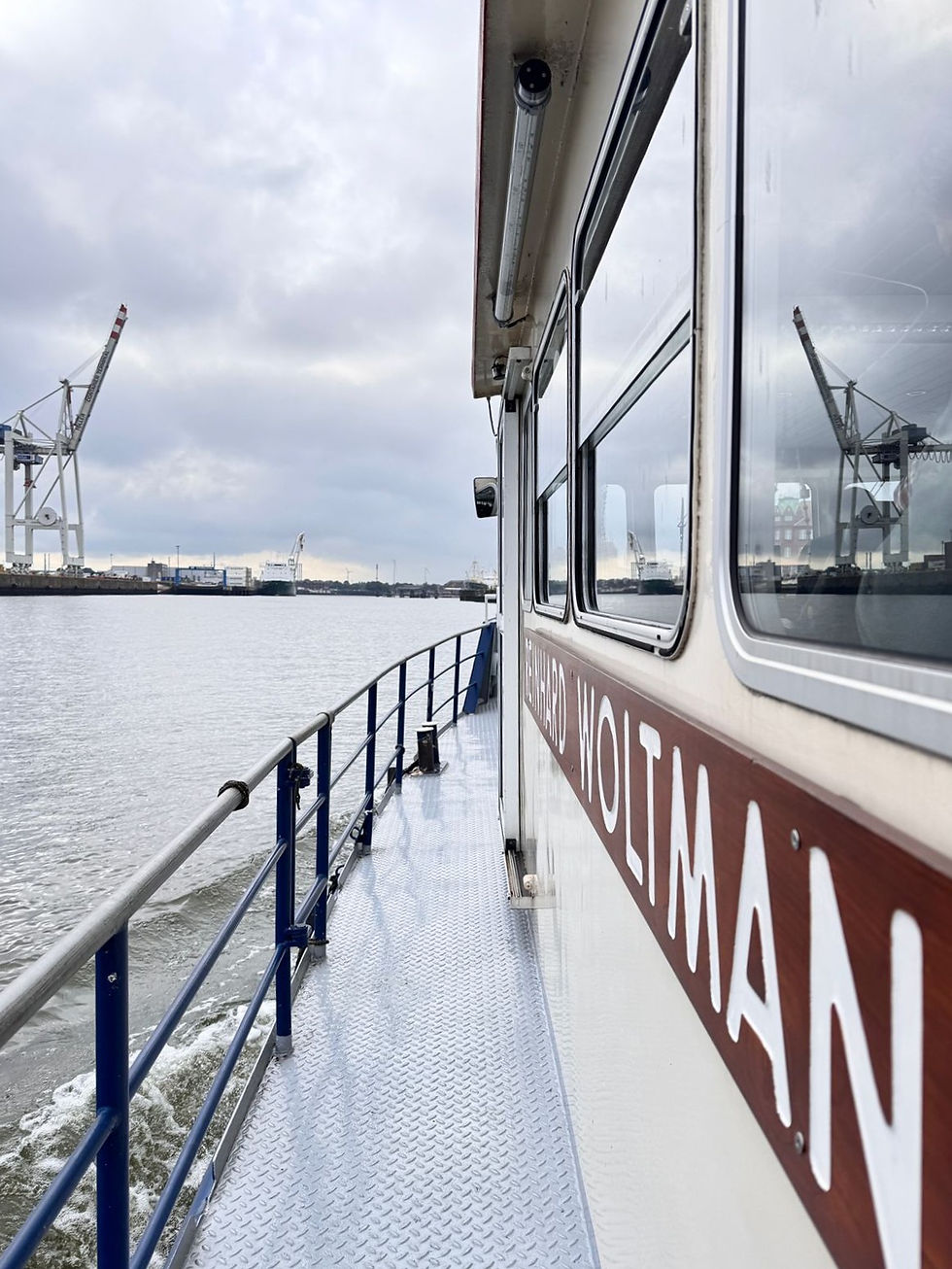
Special thanks go to the Hamburg Port Authority, Nino Ohle, for providing the measurement vessel Reihold Woltman. This co-operation enables faster and better coordinated data collection at this critical time.
Another big thank you goes to the Institute for Hygiene and Environment Hamburg (HU) - without their efforts there would be no data to monitor such an event.
To the current values:


Comments